


 Free Newsletter

Lawyer deals with fee simple absolute outside Property casebook
Diana Smith, Staff Writer//April 28, 2010//
Lawyer deals with fee simple absolute outside Property casebook
Diana Smith, Staff Writer//April 28, 2010//


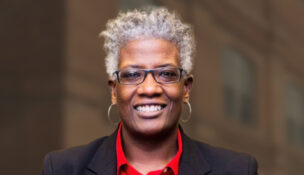
A graduate of the University of North Carolina School of Law, Mark Davis is special deputy attorney general in the N.C. Department of Justice. Before joining the DOJ, Davis clerked for Judge Franklin Dupree in the Eastern District of North Carolina and worked for Womble Carlyle Sandridge & Rice.
NCLW: Who was your mentor and what important lessons did they teach you?
Davis: My greatest mentor has been former N.C. Supreme Court Chief Justice Burley Mitchell, with whom I had the great privilege of working closely with for six years after he retired from the bench.
It is impossible for me to adequately describe the many, many things I have learned from him. Every time I talk to him, it never ceases to amaze me how one human being can have such a brilliant mind and accomplish everything there is to accomplish professionally yet still remain so incredibly humble and unpretentious.
He is the gold standard and epitomizes everything that we hold dear in the legal profession. I still seek his advice constantly.
NCLW: What is the biggest problem facing the legal profession today?
Davis: I think one of our biggest problems is the misconception that the public has about lawyers in this country. People would be astounded if they knew how many thousands of hours are spent by attorneys on pro bono cases, the numerous ethical rules that govern lawyers and how seriously lawyers take their duty to act in the best interests of their clients.
NCLW: How has being an attorney affected your view of the world?
Davis: It has made me even more thankful to live in a society where the rule of law is supreme. As we look at what goes on in many places around the world, the genius of our legal system looms larger than ever before.
NCLW: What is the most memorable case or client you have dealt with?
Davis: I have had the good fortune to be involved in many factually interesting cases. One legally interesting one that stands out was a declaratory judgment action I defended about 10 years ago involving a title dispute between Dare County and a private entity as to the ownership of a Coast Guard station at the Outer Banks. The case ultimately turned on whether language in an 1897 deed conveyed a fee simple absolute or a fee simple determinable.
We won in the trial court, list in the Court of Appeals and ultimately won in the Supreme Court. Afterward, I told my old law school dean the case demonstrates that however arcane a subject may seem in law school, it can actually come up in the real world when you’re a practicing attorney.
NCLW: How could law schools better prepare students for practice?
Davis: They do a good job overall but I think perhaps there should be more emphasis on teaching legal writing than currently exists. No matter what type of lawyer you are, it is essential you have the ability to communicate complex thoughts in a clear and straightforward fashion.
NCLW: Which professional organization benefits you the most?
Davis: I greatly enjoy my membership in our local Inn of Court. It’s nice on both a personal and professional level to meet regularly with lawyers and judges in a relaxed atmosphere to socialize and exchange views on job-related issues.
NCLW: How do you manage to take time off during the holidays/vacation?
Davis: I was taught long ago that it is essential for your mental and physical health to take time off from work on a regular basis. I know attorneys who have not taken a vacation in years and I worry about their well-being. In this profession, it is easy to burn out if you are not careful.
NCLW: What is the most unusual thing on your desk or in your office?
Davis: As a lifelong UNC fan, I am pleased to have a framed piece of the floor from Carmichael Auditorium hanging on my wall. It helps me get through the long months between each basketball season.
Editor’s note: If you would like to participate in a Q&A interview, contact Diana Smith at [email protected].
Related Content





Top Legal News
- US cites forced labor concerns as grounds for new tariffs
- Future mortgage-interest damages recoverable after delayed home closing
- Excessive force allegations against officers survive dismissal
- SEC, Elon Musk defend ‘compromise’ settlement over Twitter purchases
- Durham DA: Budget cuts could gut prosecutor staffing, dismantle decades of city cooperation
- Retro application of anti-stacking sentencing amendment rejected
- Rights groups sue over conditions at largest US immigration detention center
- Erroneous refund interest may support innocent spouse relief
- SCOTUS News: Death row inmate gets relief from ‘Batson’ waiver finding
- District court denies California parks department bid to stop Sable Offshore pipeline
- Marketing partner may enforce arbitration agreement



Commentary
- AI divorce is real, but family law can still save itself
- ‘AI won’t take your job’ and other things CEOs say before the layoffs
- When not to believe (your lyin’ eyes)
- Conduct a technology audit to improve law firm efficiency
- When the client brings ChatGPT to the consultation
- Content Marketing: Where law firms lose referrals and how to prevent it
- Your best people are not leaving for more money — they are leaving because you stopped paying attention
- Best at Work Insights: The choice we’re making about AI
- New life for the noncompete
- 2026: The year of tech, both heroes and villains
- Beyond burnout: The case for workplaces where people thrive
- The December question every leader should anticipate
